Loading
Diamonds
A diamond is described by its shape and by four measures of quality: cut, color, clarity and carat. Shape is taste. The four Cs are where the choice is truly made, and they do not all matter equally.
Shapes
Shape is the outline of the stone seen from above. It is the one choice here with no better or worse, only what suits the hand and the piece.
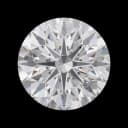
Round brilliant
Fifty-seven facets arranged to return the most light of any cut. The benchmark for sparkle, and the standard every other shape is measured against.
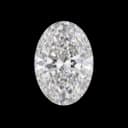
Oval
A brilliant stretched long. Reads larger than a round of the same weight and lengthens the finger.
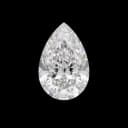
Pear
A round at one end drawn to a point at the other. Worn with the point toward the fingertip.
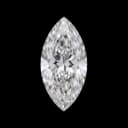
Marquise
Pointed at both ends. Carries its weight across the widest face-up area of any shape.
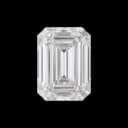
Emerald
A rectangle with cut corners and long step facets. Flashes broad planes of light rather than sparkle, and hides very little, so clarity matters more here.
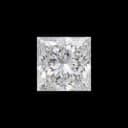
Princess
A square with brilliant faceting. Sharp corners and a great deal of fire.
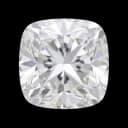
Cushion
A square with rounded corners, faceted for large flashes. The softest, warmest of the square shapes.
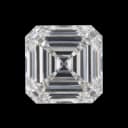
Asscher
A square step cut with deeply cut corners, giving concentric squares that draw the eye inward.
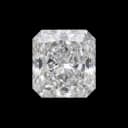
Radiant
The outline of an emerald cut with the faceting of a brilliant. Cut corners, but full sparkle.
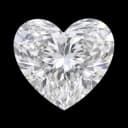
Heart
A pear split at the top. Needs symmetry above all, and reads best above roughly half a carat.
Frequently asked questions
No. The round brilliant returns the most light, and every other shape trades a little brilliance for character. The right one is whichever suits the hand and the piece.
The elongated ones. Oval, pear, marquise and radiant carry more of their surface face-up, so they read larger than a round of the same weight.
They need a setting that protects the tips, which is where a stone chips. A well-made setting resolves it quietly.
Still unsure
Write to the atelier and we will talk it through, whether that is a measurement, a stone, or the way a piece should be finished.
contact@avrati.com